Trending

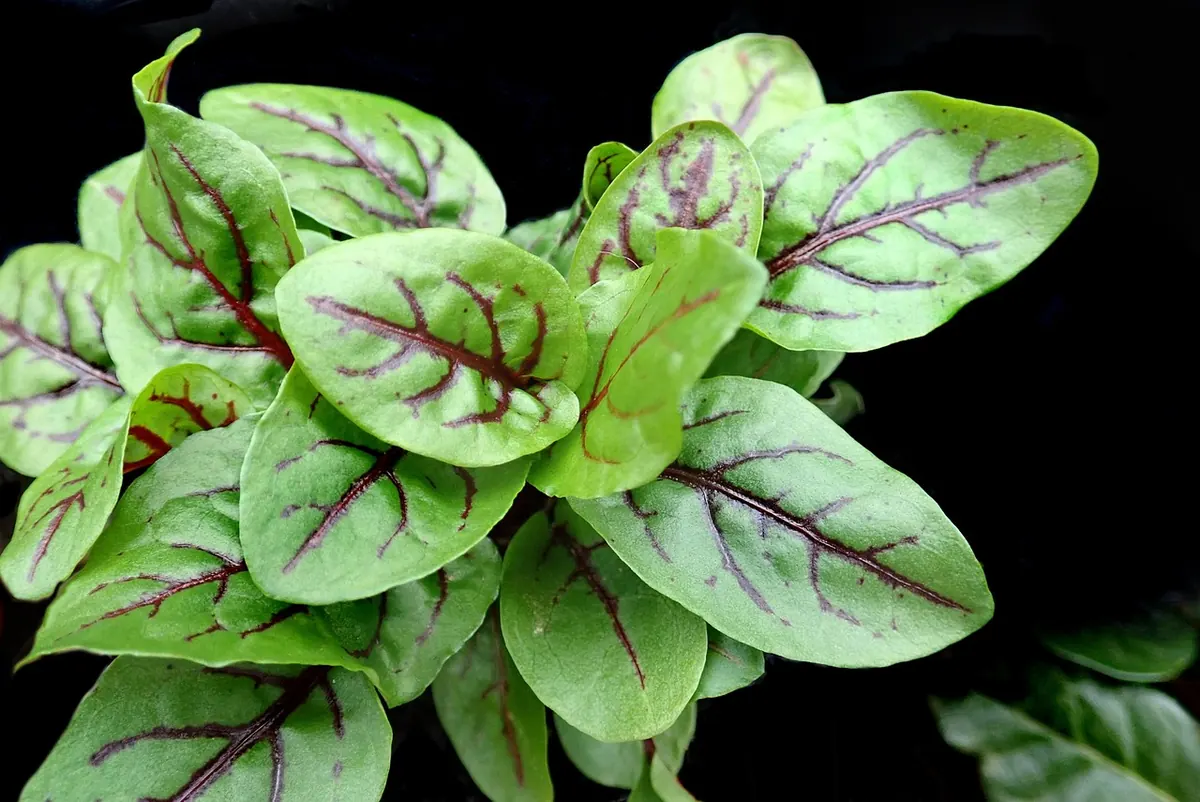
Sorrel is generous when it is happy and quietly disappointing when it is not. Give it cool, damp, fertile ground and you will be picking lemony leaves from early spring into autumn. Leave it in a hot, dry spot and you will get flower stems, leathery leaves and a plant that seems determined to sulk until winter.
The good news is that the plant is rarely at fault. Almost every disappointing crop of sorrel comes down to one of a handful of mistakes that are easy to make and just as easy to correct. Here are the seven that catch out UK gardeners most often, along with what to do instead.
Sorrel is a cool-season germinator. It grows fastest and tastes best in the kind of weather we get in spring and early autumn, and its seed behaves the same way. A sowing in late May or June, especially on a warm windowsill or in a greenhouse, often gives patchy results: a few seedlings up quickly, the rest sitting there until conditions improve.
Sow from March to May, or again from late August into September. Scatter the seed thinly and cover it with no more than 3–5mm of compost, then firm gently and keep it damp. Light helps germination, so do not bury it. Once the seedlings are up, thin them properly: 15cm apart for common sorrel (Rumex acetosa), and 25–30cm for French or buckler-leaved sorrel (Rumex scutatus), which spreads wider. Crowded seedlings compete for water, and a thirsty sorrel bolts early.
Of all the problems on this list, drought does the most damage. Sorrel is a moisture-loving plant. When the ground dries out, leaves turn tough and bitter, growth stalls, and the plant rushes into flower as a survival strategy.
Water deeply once or twice a week rather than in small daily sprinkles, aiming at the soil rather than the leaves. A 5cm mulch of garden compost or well-rotted manure around the plants, kept clear of the crowns, holds that moisture far longer than bare soil. In containers, use a decent-sized pot, a compost that holds water, and a saucer in hot spells — a small pot of sorrel on a sunny patio will dry out in a day.
Damp is the aim, not waterlogged. Plants sitting in sodden soil through winter tend to rot at the crown.
Sorrel is often sold as a sun-lover, and in a cool, moist garden it will take full sun happily. In a hot, dry border, though, full sun all day pushes the plant straight towards bolting. An afternoon of shade makes a real difference to how tender the leaves stay through July and August.
Deep shade is the opposite mistake. Plants in heavy shade grow slowly and produce pale, thin leaves with little flavour. The sweet spot is sun for part of the day, or light dappled shade, with soil that stays reliably damp. Under a young fruit tree or on the shaded side of a shed, sorrel will often outperform the same plant in an open, baking bed.
Sorrel looks abundant, and it is easy to strip a plant bare in one go. Do that a couple of times and the clump weakens, leaves get smaller, and regrowth slows right down. A few simple habits keep it cropping for months:
Heat, drought and long summer days all trigger flowering. Once a flower stem appears, leaf quality drops quickly: the leaves get smaller, tougher and much more sour. It happens fast, often within a week.
Pinch out flower stems as soon as you spot them, and check again every few days through summer. Regular picking and steady moisture both delay bolting. If a plant does run to seed, cut the whole clump back to about 5cm and water it well; new leaves usually appear within a fortnight. If you want to save seed, leave one plant to flower and accept that it will crop less.
Variety choice matters here too. French sorrel is slower to bolt than common sorrel, while red-veined sorrel bolts quickly and is best treated as a cut-and-come-again baby leaf rather than a long-term clump.
Sorrel is not demanding, but it does want fertile, moisture-retentive soil. In thin, gritty ground you get small, hard leaves and a plant that flowers early. Fork plenty of compost into the bed before planting, and top-dress the clumps each spring. A dilute liquid feed every two or three weeks through the growing season keeps leaves coming, though overfeeding gives you lush, bland growth with less of that clean, sharp flavour.
Clumps also wear out. After three or four years, the centre goes woody, the plant thins from the middle outwards and leaf size drops. Lift the clump in early spring or autumn, discard the old centre and replant the young outer pieces in refreshed soil.
Common sorrel self-seeds freely, and seedlings have a habit of appearing in the middle of other crops. Left alone, a single plant can quietly colonise a bed. Deadhead routinely unless you actively want seed, and pull stray seedlings while they are small.
The roots are the other half of the problem. Dig unwanted plants out completely rather than chopping them off at soil level, because pieces left behind will reshoot. If you want sorrel without the weeding, grow it in a large pot or a bottomless bucket sunk into the bed.
Most of this comes down to water, timing and restraint. In spring, top-dress with compost, divide tired clumps and make a sowing. Through summer, water deeply twice a week, keep the mulch topped up, pinch out flower stems and pick little and often rather than in one big harvest. In autumn, take a final few cuts, tidy away dead leaves and divide anything that has become congested. Sorrel is hardy and will sit through winter with a few leaves intact; leave it largely alone and let it rest.
One health note worth knowing: sorrel is high in oxalic acid. Small amounts used as a herb are fine for most people, but if you have kidney problems, a history of kidney stones, or you take regular medication, speak to your GP or a registered dietitian before making it a daily habit.
Photo: Buntysmum / Pixabay